
Rosie Glassey
Maker and business consultant.
For 27 years I've run businesses processing stone into things made for individual clients.
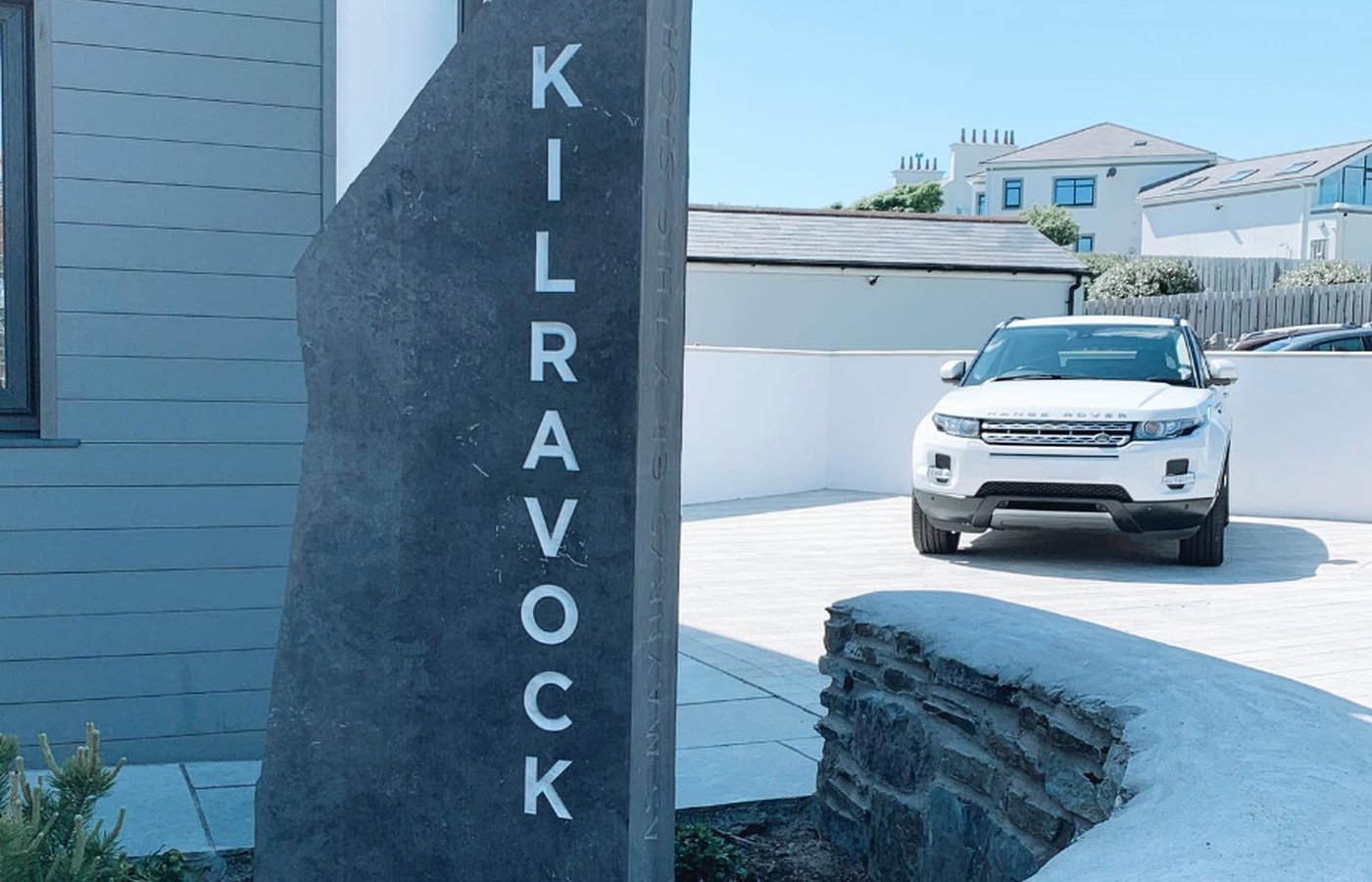
Over the years that has included granite kitchen worktops, architectural stonework, the steps of St Paul's Cathedral, Millennium stones, engraved standing stones, memorials, awards, house signs and small personal gifts. Commissions worth tens of thousands of pounds, and pieces that cost less than £100.
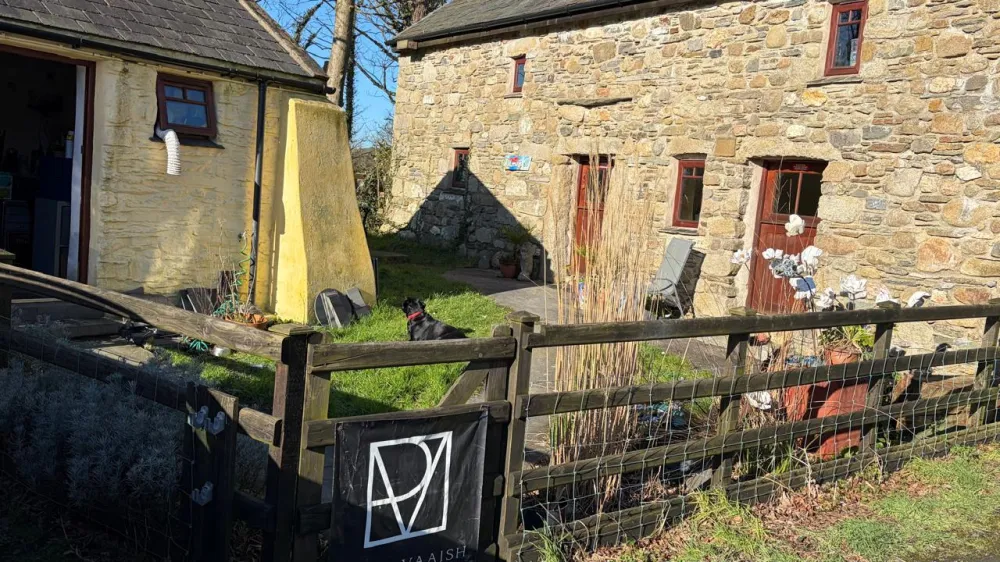
From St Paul's to a house sign
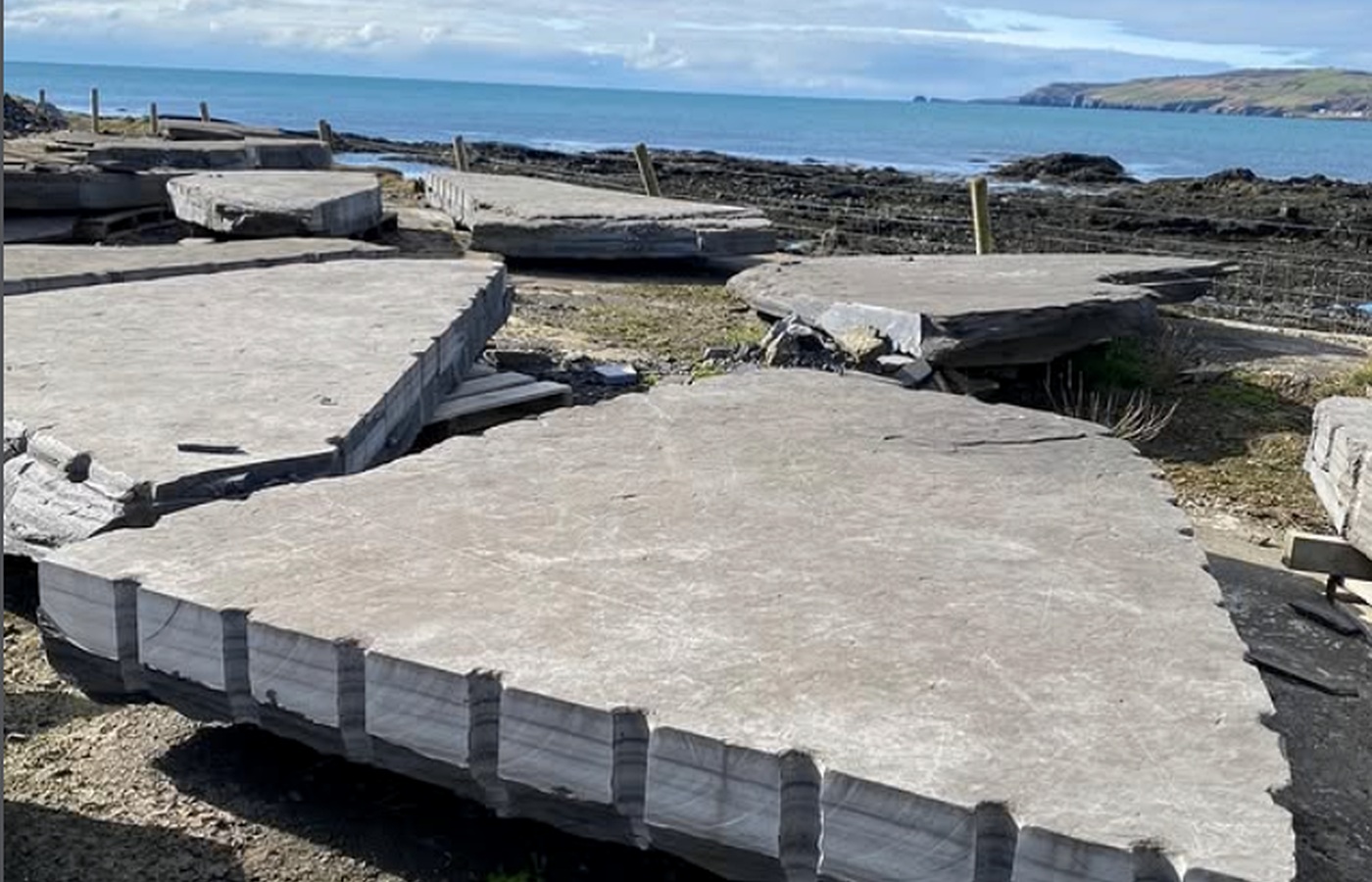
For much of those 27 years, my businesses were built around Pooil Vaaish stone - the distinctive black limestone from the quarry I own on the south coast of the Isle of Man.
It has an extraordinary architectural history. Sir Christopher Wren used Pooil Vaaish stone in buildings including St Paul's Cathedral, The Monument to the Great Fire of London and the Chapel Royal at Hampton Court Palace.
Centuries later, our own work took us back to some of those buildings.
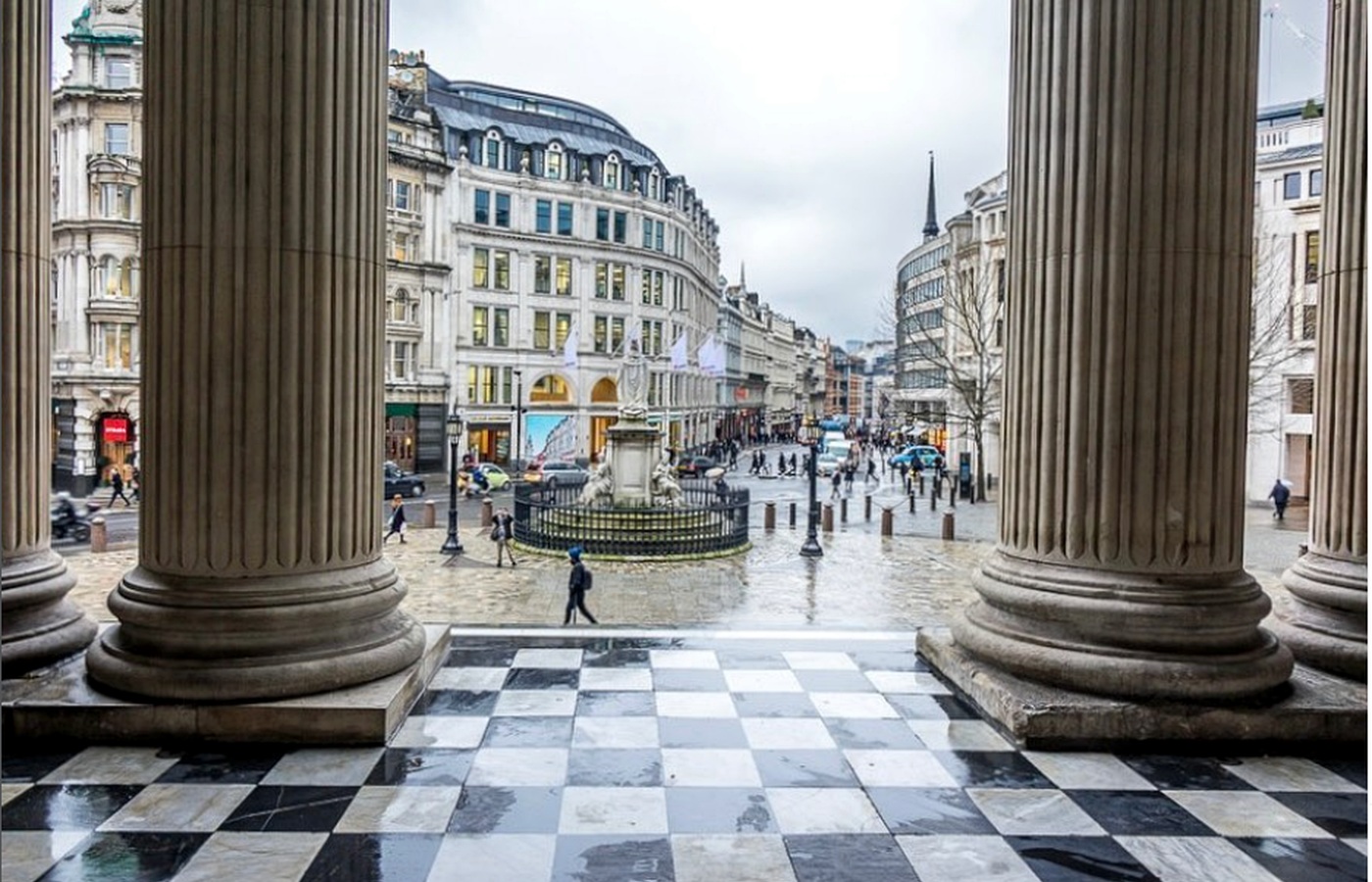
We supplied replacement Pooil Vaaish stone for restoration work at St Paul's, including the top step and landing stones on the west front and curved steps at the north transept.
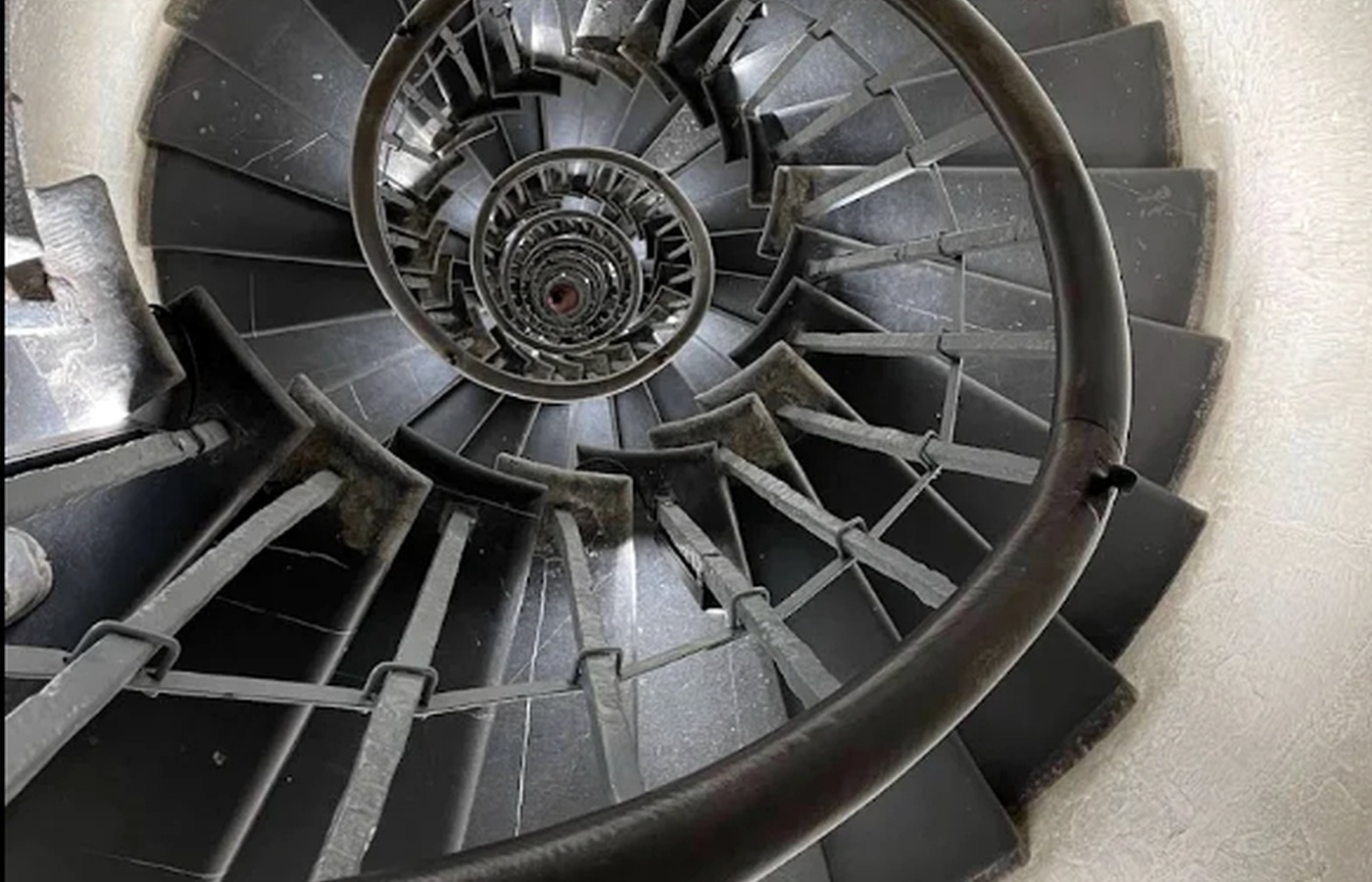
At The Monument to the Great Fire of London, we supplied replacement stone for worn sections of its extraordinary 311-step spiral staircase, where centuries of feet had worn away the original stone.
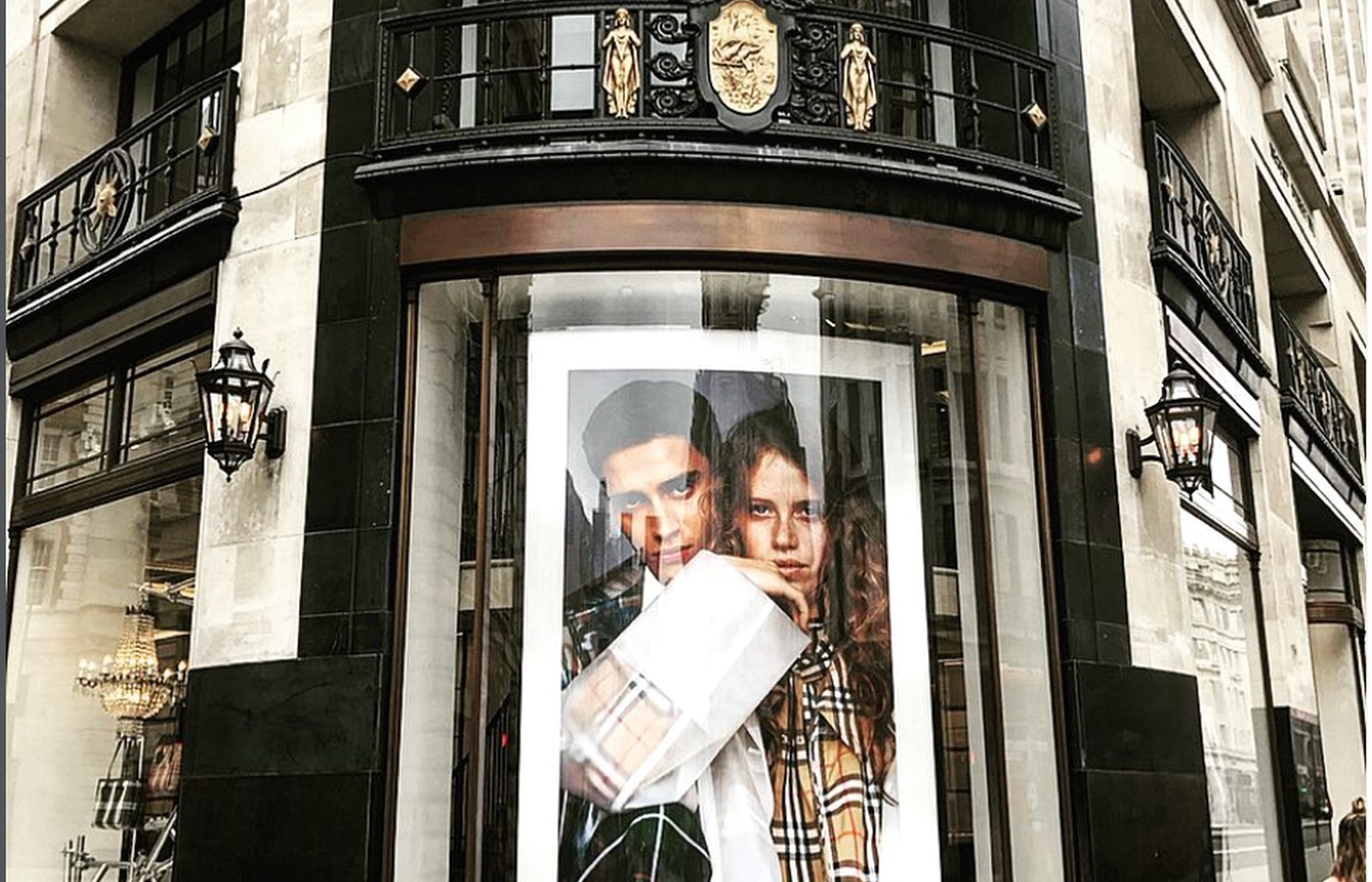
Our stone and stone-processing work also took us into major contemporary projects, including Burberry's flagship store on Regent Street and the National Gallery.
But the work was never only about prestigious buildings.
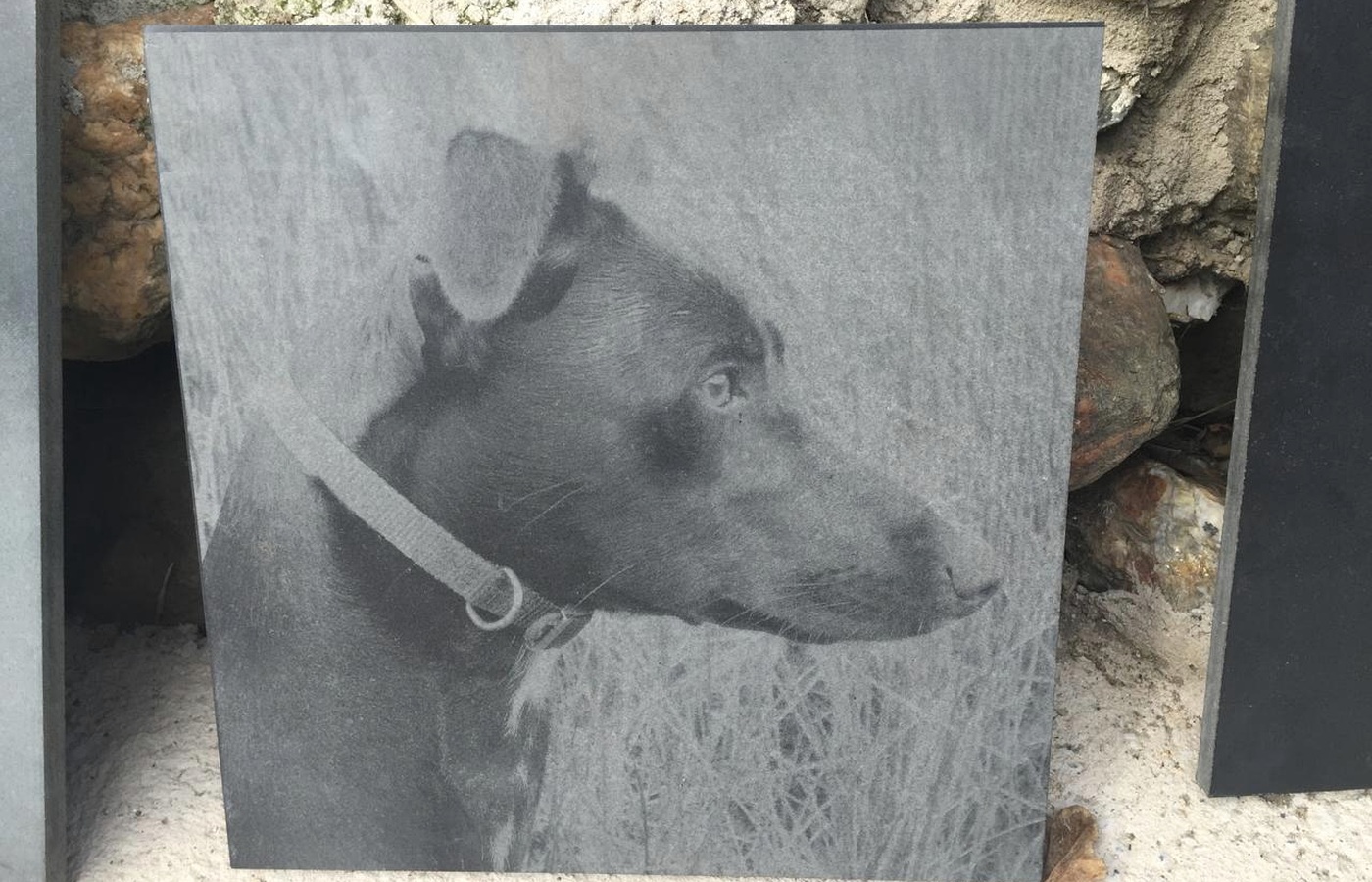
Over the years I've worked on commissions at almost every scale - major architectural stonework, standing stones and memorials, plaques and awards, house signs and small personal pieces.
Today my engraving business, Pooil Vaaish Engraving, mainly uses basalt and slate because they are better suited to the detailed engraving and laser work we now do.
Whatever its value, every commission begins in much the same way.
There's a brief. You have to understand what the client actually wants. An idea has to become a design. The work has to be priced and quoted. The client has to understand it and say yes.
Then you take the raw materials and create something that didn't exist before.
I've done that with commissions worth tens of thousands of pounds and with pieces costing less than £100.
The scale changes. The materials change. The client changes.
The business of making something specifically for someone doesn't change nearly as much as you might think.
Why I work with solo makers
When you're both the maker and the business, you're close to every part of it. Sometimes too close.
Things that have evolved over years simply become "the way you do it". Problems can start to look inevitable because you've been working around them for so long.
That's where another pair of experienced eyes can be useful. Someone asking questions from the outside, who understands what it takes to run work like yours.
That's the thinking behind my 1-to-1 consultations and The Beautifully Run Wedding Business. There isn't one right way to run a bespoke business, and I'm not here to hand you mine.
I still run my own commission business.
I haven't built my experience by teaching people how to run bespoke businesses. I've built it by running them.